Renovating a Distressed Property: Scope, Budget, Permits and Financing
How to scope, budget, permit and finance the renovation of a run-down property, with the tax and lien rules that catch investors out in Canada and the U.S.

Updated & fact-checked Figures are linked to their sources at the end of the article.
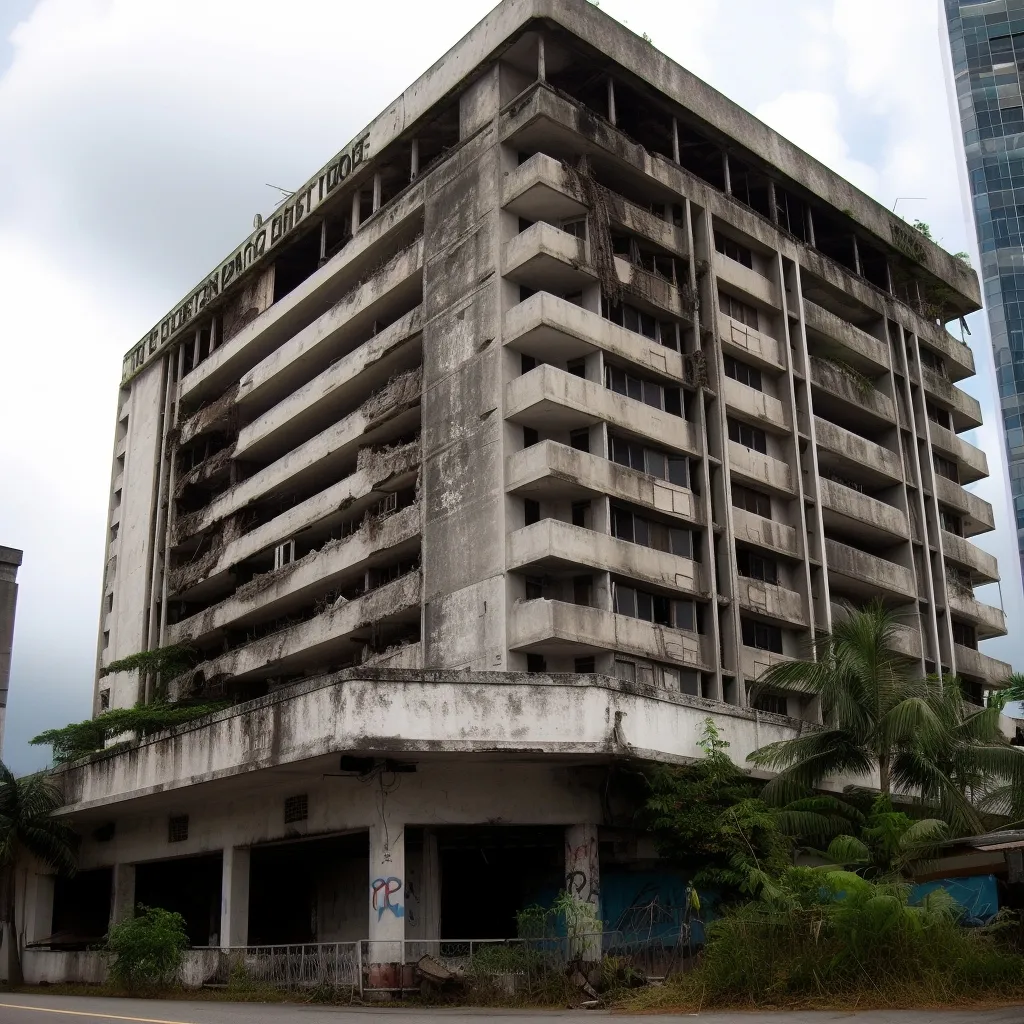
A distressed property is one that has been neglected, damaged or left empty, often because its owner ran out of money. Buying one is usually the easy part. The renovation is where the budget is won or lost: hidden damage, permits, hazardous materials and financing that arrives late can turn a discount into a loss.
This guide is for investors who have bought, or are about to buy, a run-down building, whether a house, a small apartment building or a commercial property. It covers how to scope the work, build a budget, get permits, pay contractors and finance the project in Nova Scotia and California. It is general information; speak to a lawyer, an accountant and your lender about your own project.
Scope the work before you set the budget
A renovation budget is only as good as the scope behind it. Before you commit to a number, find out what is wrong with the building and why. Water is the usual culprit in neglected property, so trace stains, rot and mould back to the roof, gutters, foundation or plumbing that caused them. Fixing finishes without fixing the source wastes the money twice.
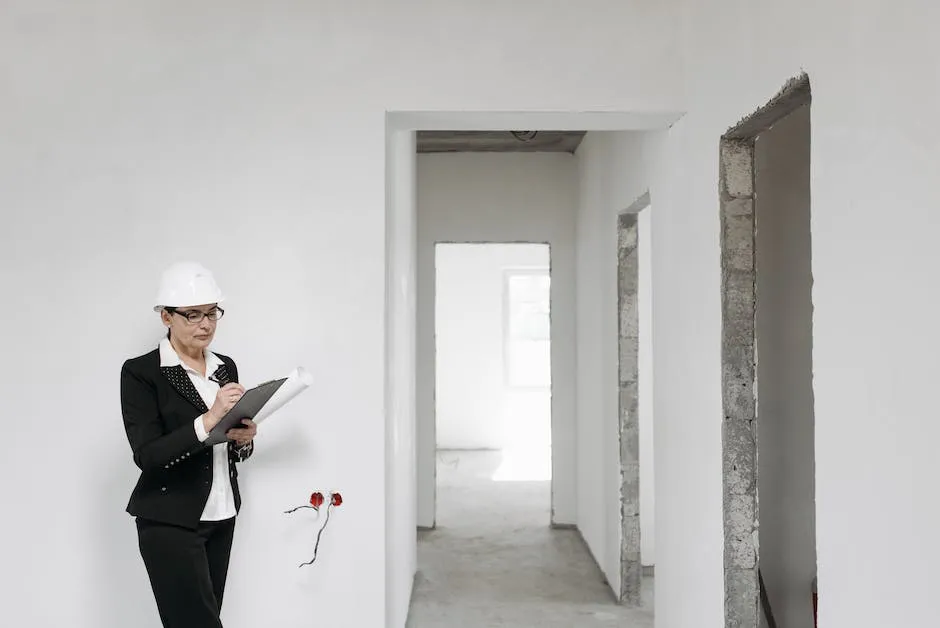
Scoping a renovation on a distressed property
Commission a full inspection
Use a building inspector and, for anything beyond a small house, engineers for structure, roof and envelope, and mechanical, electrical and plumbing systems.
Find the source of every defect
Water damage, settlement and failed systems usually have a cause that has to be fixed first.
Test for hazardous materials
Have older buildings surveyed for asbestos and lead paint before anything is opened up or demolished.
Separate must-do from nice-to-have
Safety, code and building-envelope work comes first. Cosmetic upgrades are decided by what the market will pay for.
Get drawings and written quotes
Price the scope from drawings, not from a walk-through, and get more than one quote for major trades.
Confirm what needs a permit
Check with the municipality before you finalize the schedule; permit timing often sets the critical path.
Hazardous materials in older buildings
Many distressed properties are old, and older materials need care before demolition. Health Canada says asbestos was mainly used for insulating and fireproofing buildings before 1990, and that renovation work such as drilling, sanding, breaking or removing these materials can release fibres; it advises having a professional check before renovating and using a qualified removal specialist if asbestos is found.[1]
Lead paint is the other common problem. Health Canada says a home built before 1960 probably contains lead-based paint, and one built between 1960 and 1990 may have it on the exterior.[2] In the U.S., the EPA’s Renovation, Repair and Painting Rule requires anyone paid to disturb painted surfaces in homes, childcare facilities and preschools built before 1978 to be certified and to use lead-safe work practices.[3] Testing costs little next to the cost of stopping a job halfway through.
Building a realistic budget
Group the budget by category so you can see where the risk sits. The figures will be specific to your building and your market; the structure below is what a lender or partner will expect to see.
| Category | What it includes | How to price it |
|---|---|---|
| Hard costs | Demolition, structure, roof, envelope, mechanical, electrical, plumbing, finishes | Written contractor quotes based on drawings |
| Hazardous materials | Asbestos and lead surveys, abatement, disposal | Survey first, then specialist quotes |
| Soft costs | Design, engineering, permits, inspections, legal, insurance | Fee proposals and the municipality’s fee schedule |
| Financing costs | Lender and broker fees, interest during the work, appraisals | Your term sheet and a realistic schedule |
| Holding costs | Property tax, utilities, security, insurance while vacant | Current bills, projected over the full schedule |
| Contingency | Hidden conditions found once walls and floors are opened | A set allowance, larger for older and more damaged buildings |
Holding costs are easy to underestimate because they depend on time. Every month the permit takes, or a trade is late, adds interest, tax, utilities and insurance. Tell your insurer the building is vacant and under renovation, and read the policy’s terms on vacancy and construction; a standard policy may not fit.
Permits and approvals
Most of the work that matters on a distressed property needs a permit. In Halifax, a building permit is required for a home renovation that changes interior or exterior walls or the plumbing system, for structural repairs or changes, and for drywall repairs to required fire separations; a building permit expires two years from the date it is issued.[4] Commercial and large residential buildings need a commercial building permit for similar work, with designs prepared and signed by qualified professionals.[5]
In California, the state building code says no building may be erected, altered, repaired, converted or demolished without a separate permit from the building official, and requirements vary between cities and counties.[6] Unpermitted work done by a previous owner is common in distressed property. Find it during due diligence, because you may have to open it up and bring it to code.
Paying contractors: holdbacks and liens
Contractors and suppliers who are not paid can register a lien against the property, even if you paid the general contractor. Nova Scotia’s Builders’ Lien Act deals with this through holdbacks. Owners and contractors in the construction chain must hold back 10% of each payment to contractors and subcontractors, and keep it for 60 days after the work is substantially performed. Liens must be registered within 60 days of the claimant’s last work or supply of materials.[7] Build the holdback into your cash-flow plan, and get legal advice before releasing it.
California has its own mechanics’ lien rules with different notices and deadlines. If you renovate there, have a California lawyer review your contract and payment process.
How renovation costs are taxed
Tax rules decide whether a renovation cost is deducted now or added to the cost of the building and written off over time. Both countries treat repairs to a newly bought, run-down property differently from routine maintenance.
| Question | Canada (CRA) | United States (IRS) |
|---|---|---|
| Repairs to put a newly bought property into usable condition | Capital expense, even if the same work would otherwise be a current expense | Improvement (betterment) if it fixes a material condition or defect that existed before acquisition |
| Restoring a property to its original condition | Usually a current expense | Can be deductible as a repair unless it is a restoration or betterment |
| Work that improves beyond the original condition | Capital expense | Improvement, capitalized |
| Converting to a new use | Generally capital | Improvement (adaptation to a new or different use) |
The CRA states that repairing used property you acquired to put it in suitable condition for use in your business is a capital expense.[8] The IRS treats amounts paid to fix a material condition or defect that existed before you acquired the property as a betterment, which must be capitalized.[9] Plan for the deduction to come later than you might hope.
In Canada, sales tax can also apply. For the GST/HST new housing rebate, a substantial renovation generally means removing or replacing 90% or more of the interior of the existing housing.[10] A builder who substantially renovates housing and then rents it out is generally subject to the self-supply rules and must account for GST/HST on the property’s fair market value, building and land.[11] A gut renovation of a residential rental building can therefore create a large tax bill; get advice before you set the scope.
Financing the renovation
Lenders are cautious with property that is empty or in poor condition, because it produces little income and is hard to value. Financing usually comes in one of three shapes:
- Purchase and renovation loan. One loan funds the purchase and the work, with renovation money released in draws as an inspector or quantity surveyor confirms progress.
- Equity first, debt later. The investor buys and renovates with cash or partner money, then refinances with a conventional mortgage once the building is repaired and leased.
- Private or bridge lending. Faster and more flexible, at higher rates and fees, and usually for a short term that assumes a refinance.
Whichever you use, lenders will want the scope, the budget, the contractor’s quotes, the schedule and the permit status. A lender who has to fund draws will also want the holdback and lien process in order. The better your scope, the more a lender will advance against it.
Sources
- Asbestos and your health — Health Canada. Checked 2026-10-12.
- Lead-based paint — Health Canada. Checked 2026-10-12.
- Lead Renovation, Repair and Painting Program — U.S. Environmental Protection Agency. Checked 2026-10-12.
- Home Renovations — Halifax Regional Municipality. Checked 2026-10-12.
- Additions and Renos to mixed use/commercial buildings — Halifax Regional Municipality. Checked 2026-10-12.
- Do I need a building permit for my project? — Contractors State License Board (California). Checked 2026-10-12.
- Builders’ Lien (summary of the Builders’ Lien Act) — Legal Information Society of Nova Scotia. Checked 2026-10-12.
- Current expenses or capital expenses — Canada Revenue Agency. Checked 2026-10-12.
- Tangible property final regulations — Internal Revenue Service. Checked 2026-10-12.
- RC4028 GST/HST New Housing Rebate — Canada Revenue Agency. Checked 2026-10-12.
- RC4052 GST/HST Information for the Home Construction Industry — Canada Revenue Agency. Checked 2026-10-12.