A Checklist for Buying and Renovating a Distressed Apartment Building
A checklist for buying and repositioning a run-down apartment building: due diligence, tenants in place, rent and eviction rules in Nova Scotia and California, and capex.
Updated & fact-checked Figures are linked to their sources at the end of the article.
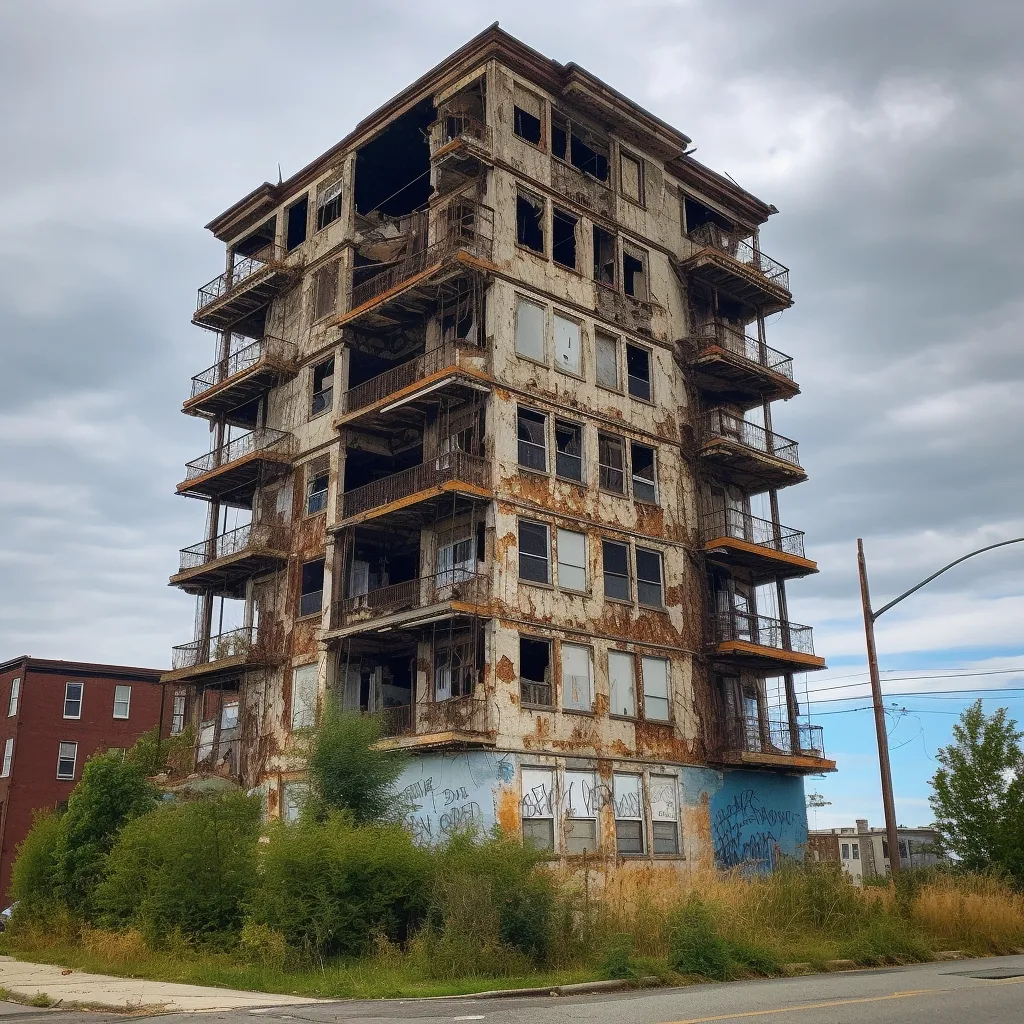
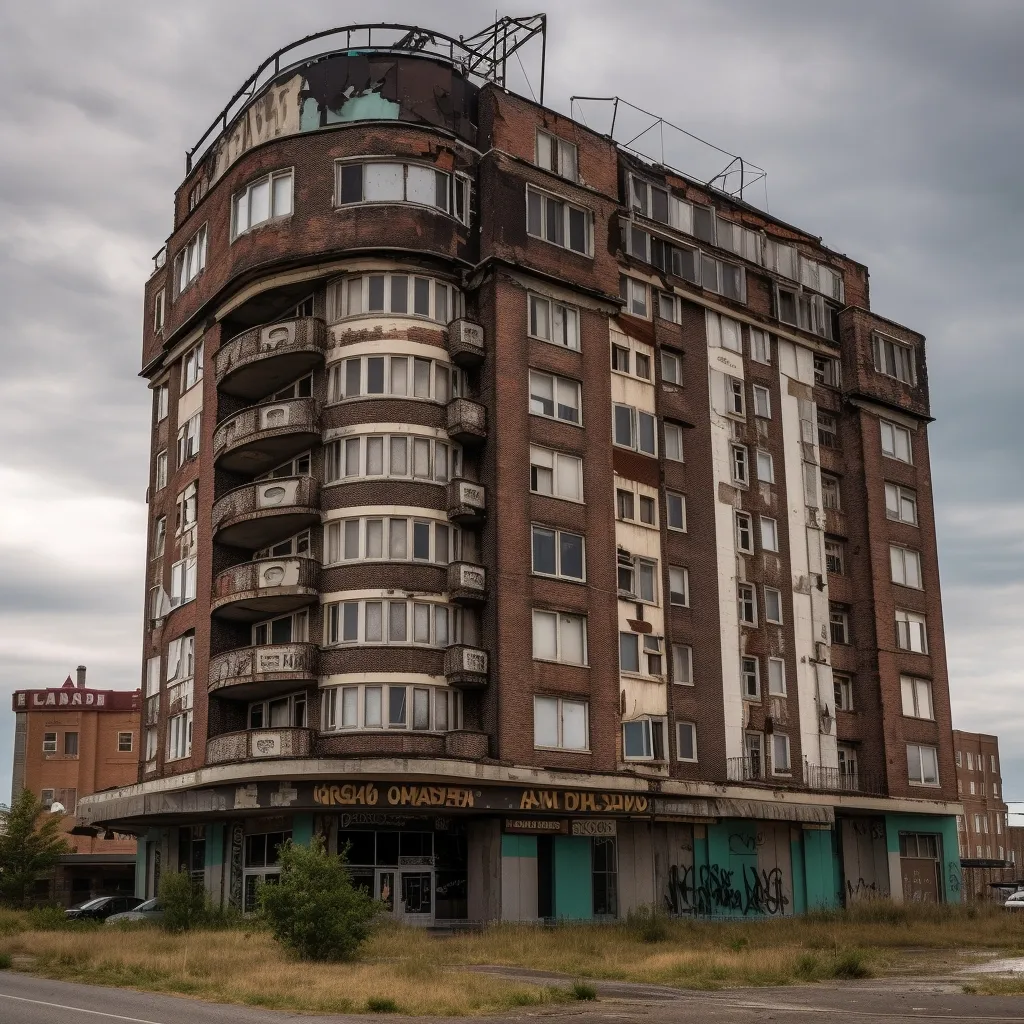
A distressed apartment building is one whose physical condition, finances or management have slipped far enough that it no longer earns what a well-run building of its size should. The usual signs are deferred maintenance, high vacancy or arrears, rents well below the market and an owner who cannot or will not fund repairs.
Buying one can make sense, but the plan almost always depends on two things that are easy to get wrong: the true cost of the work and what the law allows you to do with the people already living there. This checklist is for multifamily investors weighing a purchase in Nova Scotia or California, the two places UBU Financial works. It is general information, not legal advice; speak to a lawyer in the province or state before you sign.
Before you make an offer
Most of the risk in a distressed building is visible before closing if you ask for the right documents and check them against what you see on site. Make your offer conditional on the items below, and give yourself enough time to complete them.
Due diligence checklist
Get the rent roll and every lease
Check each unit’s rent, deposit, start date, lease type and any arrears. Compare the rent roll with bank deposits for the last 12 months; a rent roll that does not match deposits is the most common sign of trouble.
Ask tenants to confirm their terms
Tenant estoppel letters or simple confirmation forms catch side deals, rent concessions and verbal promises the seller did not disclose.
Commission a building condition assessment
Have an engineer look at the structure, roof, envelope, plumbing, electrical, heating and fire systems, with an estimate of remaining life and replacement cost for each.
Check for hazardous materials
Older buildings may contain asbestos, lead paint or mold. Test before you budget, because abatement changes both cost and schedule.
Pull the municipal file
Look for open work orders, unpermitted work, fire inspection reports and zoning limits on unit count or conversion.
Review open disputes
Ask for any tenancy board applications, orders, court actions and insurance claims, current or recent.
Get three years of operating history
Utilities, insurance, property tax and repairs show what the building really costs to run, as opposed to what the listing says.
The tenancy rules decide your business plan
Many renovation plans assume that units can be emptied, upgraded and re-let at market rent. Whether that is possible, and how quickly, depends on the residential tenancy law where the building sits. Nova Scotia and California approach it differently.
Nova Scotia. A landlord cannot end a tenancy to renovate or demolish except by a written mutual agreement with the tenant or by an order from the Director of Residential Tenancies. To get an order, the landlord must show it has all the permits and approvals it needs and that it needs vacant possession in good faith, either for demolition or for repairs so extensive that they require a building permit and an empty unit. The vacate date in the order is set between three and twelve months from the order.[1] The tenant is owed compensation equal to the last three months’ rent in a building with more than four units, or the last month’s rent in a building with four or fewer.[1]
Rent increases for existing tenants are also capped. Under the Interim Residential Rental Increase Cap Act, a landlord cannot raise an existing tenant’s rent by more than 5% in 2026 or 2027, and the cap applies even if the landlord signs a new fixed-term lease with the same tenant. The Act expires after December 31, 2027.[2][3] On top of that, the Residential Tenancies Act allows only one increase in any 12-month period, none in a lease’s first 12 months, and requires four months’ written notice for monthly and yearly tenancies.[1]
California. The Tenant Protection Act of 2019 (AB 1482) limits rent increases on most residential units to 5% plus the change in the cost of living, or 10%, whichever is lower, over any 12-month period. When a unit is vacated and re-let to a new tenant, the owner may set the new starting rent.[4][6] Units issued a certificate of occupancy within the past 15 years are exempt, as are units under a local rent control ordinance that is more protective.[6]
After a tenant has lived in a unit for 12 months, the owner can end the tenancy only for a listed “just cause”. One no-fault cause is an intent to demolish or substantially remodel. The law defines a substantial remodel narrowly: replacing or substantially modifying a structural, electrical, plumbing or mechanical system that requires a permit, or abating hazardous materials such as lead paint, mold or asbestos, where the work cannot safely be done with the tenant in place and requires the unit to be empty for at least 30 consecutive days. Painting, decorating and minor repairs do not qualify. The owner must pay relocation assistance, or waive the final month’s rent, equal to one month’s rent.[5] Both California sections are set to be repealed on January 1, 2030, unless extended.[4][5]
| Question | Nova Scotia | California |
|---|---|---|
| Cap on rent increases for sitting tenants | 5% a year in 2026 and 2027 (Interim Residential Rental Increase Cap Act) | Lower of 5% plus CPI or 10% over 12 months (Civil Code 1947.12) |
| New tenant after a vacancy | The cap applies to existing tenants | Owner may set the initial rent |
| Common exemptions | Act applies to all residential premises, with narrow exceptions | Buildings under 15 years old; units under stricter local rent control; some others |
| Ending a tenancy to renovate | Written mutual agreement, or a Director’s order with permits in hand | Just cause for substantial remodel (permitted systems work or abatement, 30+ days vacant) |
| Payment to the tenant | 3 months’ rent (more than 4 units) or 1 month (4 or fewer) | One month’s rent as relocation assistance or rent waiver |
Scoping the work
Once you know what the building needs and what you can do with the tenants, put the work in order. A sensible sequence for a run-down building is to deal with safety first, then the things that protect the building, then the things that earn more rent.
A practical order of work
Life safety and code items
Fire separations, alarms, emergency lighting, exits, electrical hazards and anything named in an open municipal or fire order.
The envelope
Roof, windows, masonry and drainage. Water getting in will undo every interior dollar you spend.
Building systems
Heating, hot water, plumbing stacks and electrical service. These are usually the largest line items and often need permits.
Common areas and security
Entrances, locks, lighting, laundry and corridors affect every tenant and the building’s reputation in the market.
Units, as they turn over
Kitchens, bathrooms, flooring and finishes, done unit by unit when a tenancy ends, unless the work qualifies for vacant possession under the local rules.
Price each item from contractor quotes, not rules of thumb, and carry a contingency for what opening walls will reveal. Your budget should also include carrying costs during the work: lost rent from units held empty, interest, insurance (which costs more for a building under renovation), utilities and the tenant compensation described above.
Lead paint and other hazardous materials
In the United States, contractors paid to disturb painted surfaces in homes built before 1978, including rental housing, must be certified under the Environmental Protection Agency’s Lead Renovation, Repair and Painting rule and follow lead-safe work practices.[7] In Canada, asbestos and lead are handled under provincial occupational health and safety and environmental rules; ask your contractor and engineer which apply to your building. In both countries, any hazardous-materials survey should come before the budget is final, not after demolition starts.
Working with the tenants who stay
In a building with tenants in place, the renovation is also a tenant-relations project. Give proper written notice before entering units, schedule noisy work and service shut-offs in advance, and keep the building clean and secure during construction. Tenants who are kept informed are less likely to file complaints that slow the project, and they are the income that carries the building while the work is done.
Professional management matters more in a distressed building than a stable one. Arrears, unauthorized occupants and deferred repairs are usually what made the building distressed in the first place. If you are not going to manage it yourself, hire a manager with experience in the local tenancy rules before closing, so the first month is not spent learning the rent roll.
Sources
- Residential Tenancies Act, R.S.N.S. 1989, c. 401 (consolidated to October 3, 2025), ss. 10AB, 10AC and 11 — Nova Scotia House of Assembly, Office of the Legislative Counsel, October 3, 2025. Checked 2026-10-12.
- Interim Residential Rental Increase Cap Act, S.N.S. 2021, c. 22 (as amended to 2024, c. 12) — Nova Scotia House of Assembly, Office of the Legislative Counsel, April 30, 2025. Checked 2026-10-12.
- Changes to Rent Cap, Residential Tenancies Act — Government of Nova Scotia (news release), September 6, 2024. Checked 2026-10-12.
- California Civil Code § 1947.12 (copy of the statute; the official leginfo.legislature.ca.gov page was not reachable) — FindLaw, Current as of January 1, 2026. Checked 2026-10-12.
- California Civil Code § 1946.2 (copy of the statute; the official leginfo.legislature.ca.gov page was not reachable) — FindLaw, Current as of January 1, 2026. Checked 2026-10-12.
- Landlord-Tenant Issues — California Department of Justice, Office of the Attorney General. Checked 2026-10-12.
- Lead Renovation, Repair and Painting Program — U.S. Environmental Protection Agency. Checked 2026-10-12.