Adaptive Reuse: Converting Hotels and Offices into Housing
How hotel-to-apartment and office-to-residential conversions work, which buildings suit them, zoning and code hurdles, and the public programs that help pay.
Updated & fact-checked Figures are linked to their sources at the end of the article.
Adaptive reuse means converting a building to a use it was not designed for: a motel into apartments, an office tower into homes, a warehouse into lofts. It keeps the structure and much of the shell, and replaces the interior, the systems and often the zoning.
This guide is for owners of underused hotels and office buildings, and for buyers looking at them. It explains which buildings convert well, the planning and building-code hurdles, what the money usually looks like, and the public programs in Canada and California that have paid for conversions. The hotel-to-apartment conversion gets the most attention because it is the most common and usually the simplest.
Why convert instead of rebuild
A conversion can be faster than new construction because the foundation, structure and often the façade already exist, and approvals may be simpler if the building’s size and height stay the same. It can also make sense when a building’s current use has weakened: an aging motel that no longer competes for travellers, or an office building with high vacancy.
It is not automatically cheaper. Bringing an old building up to today’s code for a new use can uncover asbestos, inadequate fire separations, undersized electrical service and plumbing in the wrong places. Many conversions are abandoned at the feasibility stage for those reasons, so the first spend should be on investigation, not design.
Hotel to apartments: how it works
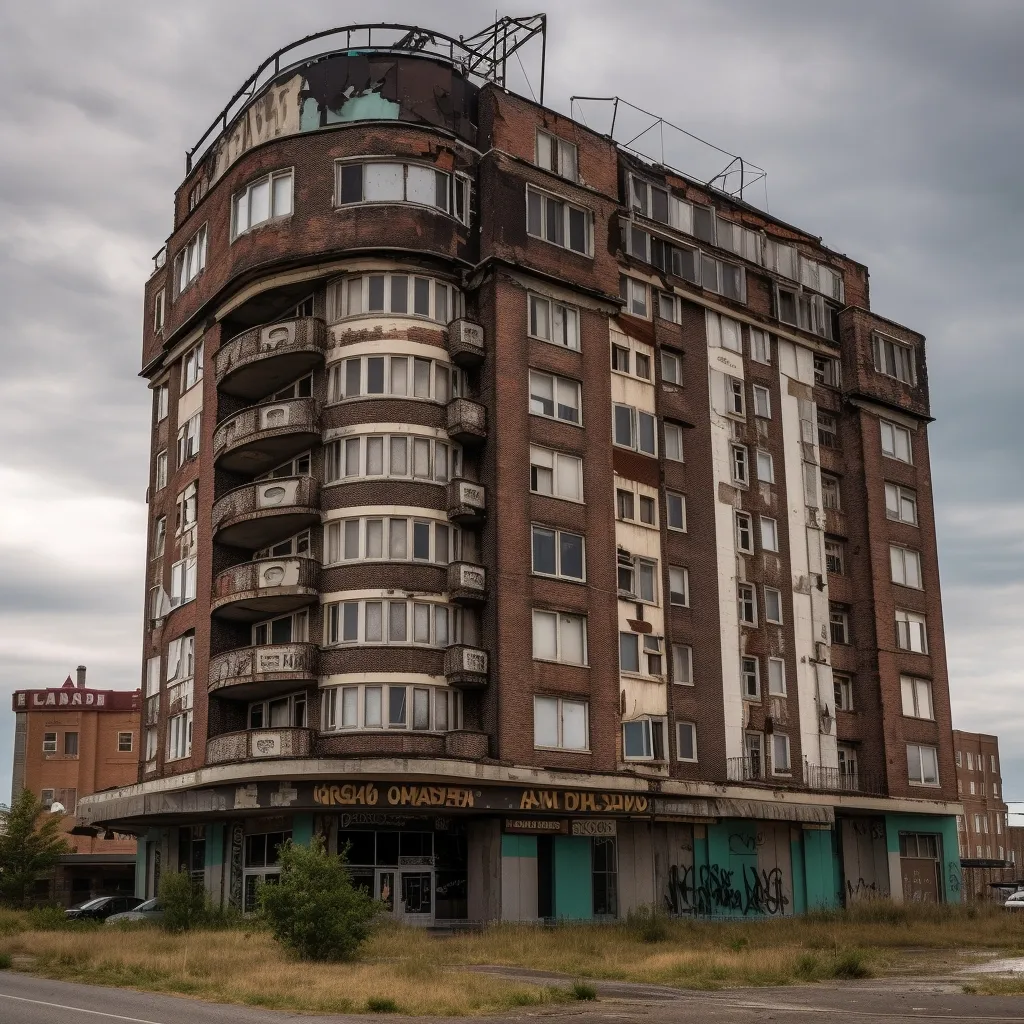
Hotels and motels are the easiest commercial buildings to turn into housing. They already have small rooms with windows, a bathroom in every room, corridors and exits designed for people sleeping overnight, and plumbing that runs to every unit.
A typical hotel-to-apartment conversion
Check zoning first
Confirm that residential use is permitted on the site or that a rezoning or variance is realistic. Parking, density and unit-size rules can kill a project before it starts.
Commission a building condition and code review
An architect and engineer assess structure, fire separations, sprinklers, exits, accessibility, hazardous materials and mechanical systems against the code requirements for a residential building.
Choose the unit plan
Keep rooms as studios with small kitchens, or combine two or three rooms into larger units. Combining rooms reduces the unit count but widens the market.
Add kitchens and upgrade services
Kitchens need power, venting and, in some designs, gas. Electrical service and hot water often need upgrading to carry permanent residents rather than overnight guests.
Apply for permits
A change of use usually needs a building permit and may trigger upgrades to fire safety and accessibility throughout the building.
Finance and build
Construction lenders and public programs will want the code review, the cost estimate and a rent study before they commit.
Lease up as a residential landlord
Once tenants move in, residential tenancy law applies instead of the rules for hotel guests.
The last step changes the business. A hotel can change its rates every night; an apartment building in Nova Scotia is subject to the Residential Tenancies Act and to the province’s cap on rent increases for existing tenants, set at 5% a year and extended to December 31, 2027.[1] Model the converted building as a long-term rental, not as a hotel with longer stays.
Office to residential: harder, but supported
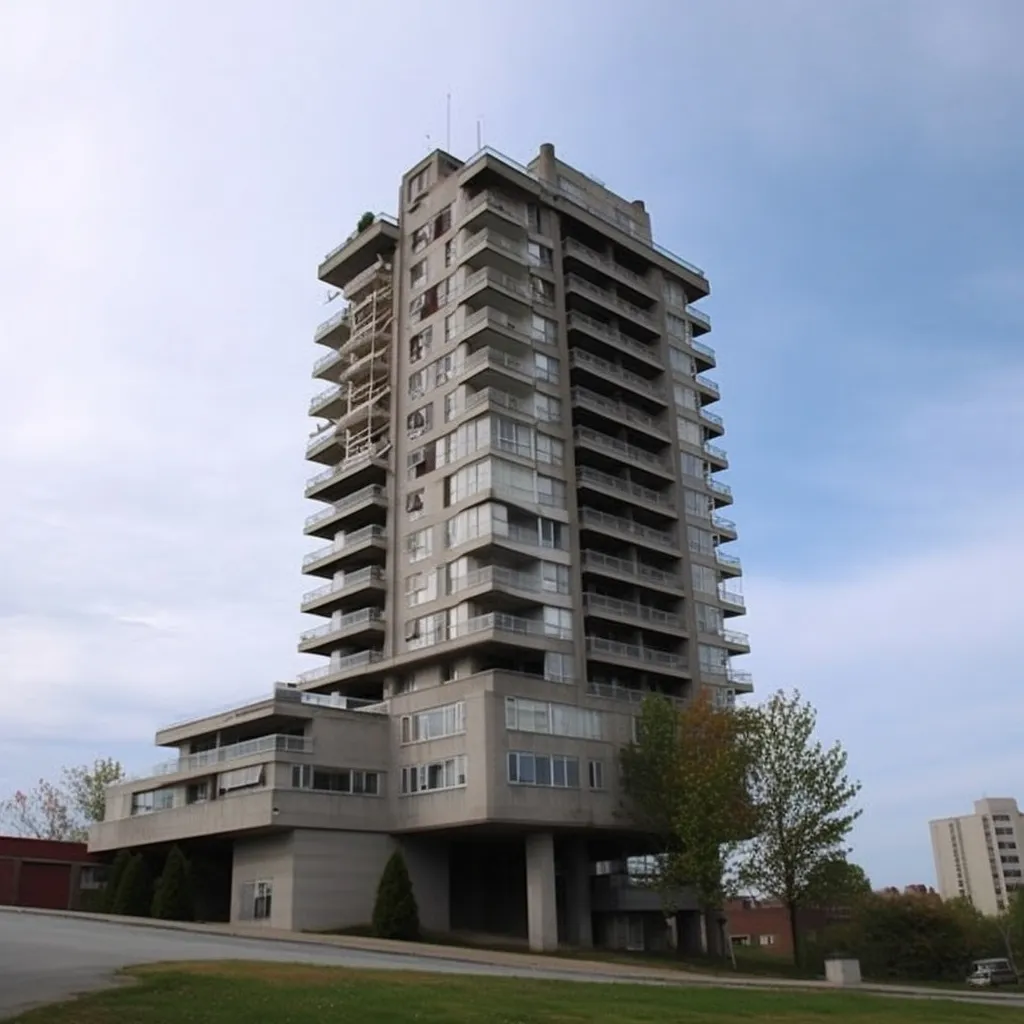
Office buildings are more difficult. Large, deep floor plates leave much of the floor far from a window, while bedrooms generally need natural light. Plumbing is concentrated in a few washroom cores, so every new kitchen and bathroom needs new drain and water lines. Older, smaller office buildings with narrow floors usually convert better than modern towers.
Calgary has made the most visible Canadian effort. In 2021 the city launched a grant for office-to-residential conversions of $75 per square foot of office space converted, up to $10 million per property unless council approved more.[2] The city now reports a pipeline of 21 office conversion projects, which would create 2,667 homes from 2.68 million square feet of office space, and a goal of removing 6 million square feet of underused office space by 2031.[3]
Public money for conversions
| Program | Where | What it does |
|---|---|---|
| Apartment Construction Loan Program (CMHC) | Canada | Low-cost federal construction loans for rental housing, with an option to convert non-residential buildings into rental housing |
| Downtown office conversion incentive (City of Calgary) | Calgary, Alberta | Grants of $75 per square foot of office space converted to housing (2021 terms) |
| Homekey | California | State funding for public agencies, often with private or nonprofit partners, to buy and convert hotels, motels and other buildings into housing for people experiencing homelessness. Now closed to applications |
| Homekey+ | California | US$2.2 billion from Proposition 1 for permanent supportive housing for veterans and people with behavioural health needs, building on Homekey |
CMHC’s Apartment Construction Loan Program states that it has options to build new rental housing or to convert non-residential buildings into rental housing.[4] For private owners in Nova Scotia, it is the most relevant of the programs above.
California’s Homekey shows how quickly hotels can become housing when public money and a clear purpose line up. The program was open to state, regional and local public entities, which could partner with nonprofit or for-profit companies, and covered the purchase and rehabilitation of hotels, motels and other buildings for people experiencing or at risk of homelessness.[5] In its first round, all 94 projects closed escrow by December 2020, providing 6,029 housing units; the state reported using US$846 million to buy and subsidize them in less than six months.[6] Its successor, Homekey+, has US$2.2 billion allocated from Proposition 1.[7]
California Homekey, round 1 (2020)
For an owner, programs like Homekey create buyers as much as projects: a public agency or nonprofit purchasing an underused motel at a fair price can be a sensible exit. They also come with conditions on who can live in the building and for how long.
What to check before you commit
- Zoning and approvals. Is residential use permitted, and how long would a rezoning take?
- Building condition. Structure, roof, envelope, hazardous materials and the age of mechanical and electrical systems.
- Code upgrades. Fire separations, sprinklers, exits and accessibility required for residential occupancy.
- Unit layout. How many units the floor plate allows, and whether they suit local demand.
- Total cost per unit, including soft costs and interest during construction, compared with buying or building new.
- Rents after conversion, under residential tenancy rules, and the operating costs of a residential building.
- Funding. Which programs the project qualifies for, and what conditions they bring.
Sources
- Changes to Rent Cap, Residential Tenancies Act — Government of Nova Scotia, September 6, 2024. Checked 2026-10-12.
- City launches downtown development incentive program — City of Calgary Newsroom, August 2021. Checked 2026-10-12.
- Downtown Development Incentive Programs — City of Calgary. Checked 2026-10-12.
- Unlock opportunities with the Apartment Construction Loan Program — Canada Mortgage and Housing Corporation. Checked 2026-10-12.
- Homekey — California Department of Housing and Community Development. Checked 2026-10-12.
- Governor Newsom Announces Major Homekey Milestone: All 94 Sites Closing Escrow Ahead of Deadline — Office of the Governor of California, December 29, 2020. Checked 2026-10-12.
- Homekey+ — California Department of Housing and Community Development. Checked 2026-10-12.